Ways to join
Eternalised
$3.50/month
- Bonus episodes
- Early access
- Ad-free listening
For members only
15 episodes
- The Psychology of CreativityCreativity involves bringing one’s inner nature into being, a task unique for each individual. It must arise from your innermost self, not from fulfilling the expectations of others. One of the most destructive things, psychologically, is unused creative power. If someone has a creative gift and, for some reason (fear, laziness, or conformity), does not use it, the psychic energy turns inwards and becomes poisonous. That is why we often see neuroses or psychoses as expressions of not-lived possi
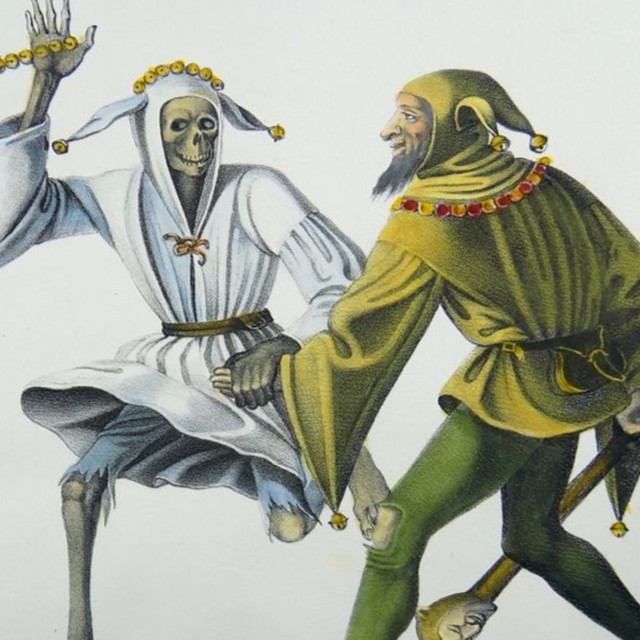
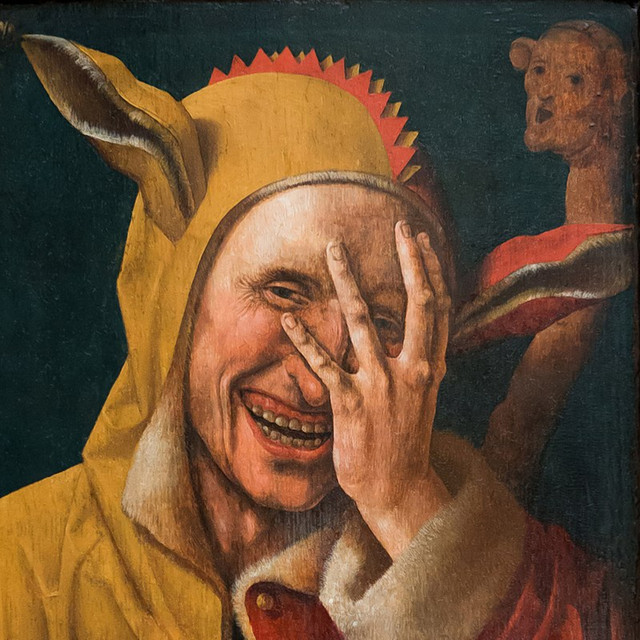
- The Fool Dances with DeathWhile Death may appear at times terrifying and at other times playful, those he summons almost always tremble with fear. All except one: the Fool. He joins the dance with a smile, laughing at the absurdity of it all. To him, the world is a theatre, and all men and women merely actors, each wearing different social masks to play their roles in society.There is something in the fool that Death appears to admire, something he seeks to imitate. Death, too, likes to play tricks. He does not always co
- The Psychology of Knowing YourselfCarl Jung published his book Psychological Types in 1921, introducing four functions of consciousness: thinking, feeling, sensation and intuition, and the two attitudes through which these four functions are deployed: introversion and extraversion. Jung’s functions follow a fourfold structure, which is typical of the archetype of the Self. We are dealing with the archetype of the differentiation of consciousness, which helps you to become who you are meant to be. Jung combined function types and
- The Psychology of Immature MasculinityThe crisis in mature masculinity is very much upon us. Men feel anxious, on the verge of feeling impotent, helpless, frustrated, unloved, unappreciated, and often ashamed of being masculine. Something vital is missing in the many lives of men. For students of mythology and Jungian psychology, there is hope. The external deficiencies we face—absent fathers, immature role models, a lack of meaningful rituals, and the scarcity of ritual elders—can be overcome if we look within ourselves, and turn t
- How Dreams Can Anticipate Death and Point to the AfterlifeDeath is one of the greatest mysteries of human existence, the inevitable fate that unites us all. Whenever man is confronted with something mysterious and unknown such as the origin of the world, death, the afterlife, etc., the unconscious produces symbolic representations. In her groundbreaking book, On Dreams and Death, Jungian analyst Marie-Louise von Franz writes about death dreams, that is, dreams of people who subsequently died. Therefore, they are of a precognitive nature, as they can an
- The Psychology of The VillainThe villain is the most captivating and intriguing of all archetypes. The hero would not exist without his darker counterpart, which reflects aspects of ourselves that we do not dare to acknowledge or confront, but which are present within all of us. The villain is often a mirror of the dark aspects of humanity, embodying qualities that are evil, harmful, greedy, selfish, and destructive. In recent times, villains can even become sympathetic, and possess redeeming qualities, making some of them
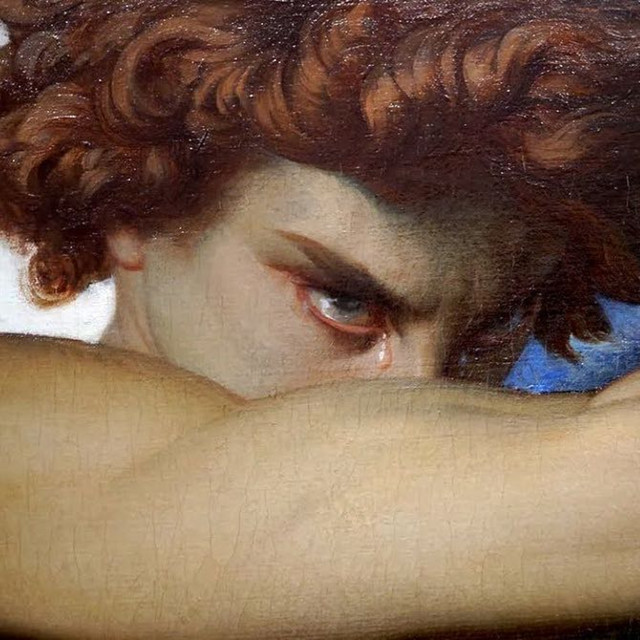
- The Psychology of the DevilThe Devil goes by many names: Satan, Lucifer, The Great Beast, Beelzebub, The Prince of Darkness. He is the adversary, the accuser, the tempter, the deceiver, and the one who divides from God. The Devil is incredibly wicked and evil, but also intelligent and witty – he is the father of all tricksters – that is what makes him so dangerous. The English word “devil” derives from the Greek diábolos (“the one who divides”). Diabolic is the term in contemporary English. The Greek verb dia-bollein lite
- The Psychology of The FoolThe fool is one of the most relatable, intriguing and recurring figures in the world. There have been fools who have caused surprise and laughter since time immemorial. We worship folly by seeing it in people and in the world and by willingly displaying it in ourselves. It is one of the timeless archetypes, which we all inherit at birth.Many of us suffer from the absence of the fool in our lives. Frenetic and upright, we take ourselves too seriously. As William Shakespeare said, “All the world’s
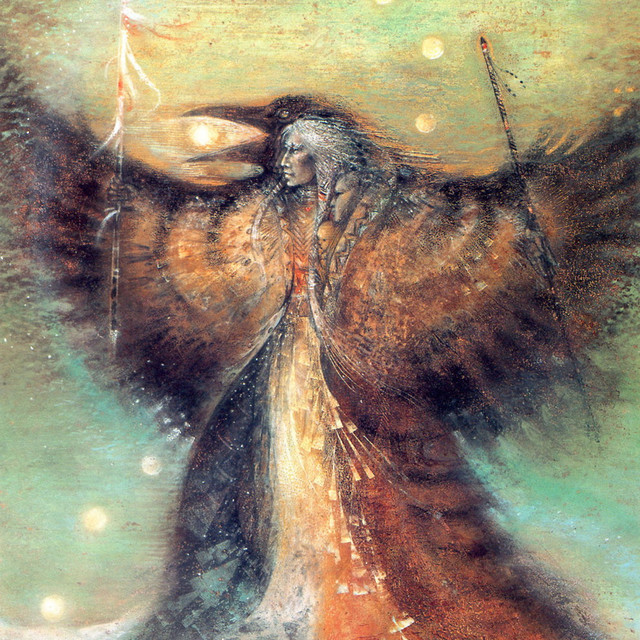
- The Psychology of The Shaman (Inner Journey)Shamanism is one of the oldest, if not the oldest system of healing known in the world. It forms the prototype from which many other forms of healing are derived, such as modern psychotherapy. The shamanic journey is an expression of the human condition, and despite the cultural differences around the world, the deeper structure appears to remain constant. A common thread seems to connect all shamans across the planet. An awakening to other orders of reality, the experience of ecstasy, and an op
- The Psychology of Personality Types (Know Yourself)We all have a particular personality type, and at the same time, we are all unique. To partake in the journey of discovering who we truly are, it is necessary for us to know our true and authentic personality. The quest to know ourselves allows us to better understand the complexity and intricacies of the human condition, improve our relationship with ourselves, with others, and with the world. Carl Jung’s model of typology is not a system of character analysis, nor is it a way of labelling on
- Hermeticism: The Ancient Wisdom of Hermes TrismegistusThe legendary figure of Hermes Trismegistus (Hermes Thrice Great) is the inspiration for the spiritual teachings known as Hermeticism. He is a syncretism (joining) of the Greek deity Hermes, the winged messenger of the Gods, and his Egyptian counterpart, the Ibis-headed moon god Thoth. The Way of Hermes involved altered states of consciousness in which practitioners went through a training regime that involved luminous visions, spiritual rebirth, cosmic consciousness, and union with the divine
- Philosophy: The Love of Wisdom | A Guide to LifePhilosophy is a mode of life, an act of living, and a way of being. Modern philosophy has forgotten this tradition, and philosophical discourse has all but overtaken philosophy as a way of life. Philosophy is not just an intellectual discipline, which can get abstract and divorced from the real world, but is most importantly a way of life that teaches us how to best live our lives. Philosophy is a mode of existing in the world, which has to be practiced at each instant, and the goal of which i
- The Psychology of The Man-Child (Puer Aeternus)The term puer aeternus is Latin for eternal boy. Carl Jung used the term in the exploration of the psychology of eternal youth and creative child within every person. It is an archetype, and like all archetypes, has both a positive and a negative side. It can bring the energy, beauty and creativity of childhood into adult life, or thwart self-realisation and doom us to both unrealistic adolescent fantasies and experiencing life as a prison. The puer is the man-child who refuses to grow up
- The Dark World of Franz KafkaFranz Kafka's dark world deals with existentialist themes such as alienation, anxiety, disorientation and the absurd. His work is so original that the term Kafkaesque was coined to describe the nightmarish and bizarre atmosphere of his work. Throughout his works we see the strange dream-like mixture of perplexity and embarrassment play out, and the notion of a grand organisation with its incomprehensible bureaucratic system that hovers invisibly over each helpless individual, taking complete con
- Inner Gold - Alchemy and PsychologyAlchemy occupies a unique place in the collective psyche of humankind. Swiss psychiatrist and psychologist Jung discovered alchemy and devoted the remaining 30 years of his life to studying it, which he practically dug up from the dunghill of the past, for it was considered pseudoscience, a forgotten relic of history and despised field of investigation which he had suddenly revived. Alchemy allows one to achieve wholeness of personality, of aligning one’s ego to the Self through a reconnection