Ways to join
What Stories Unfold
$1.99/month
- Early access
For members only
14 episodes
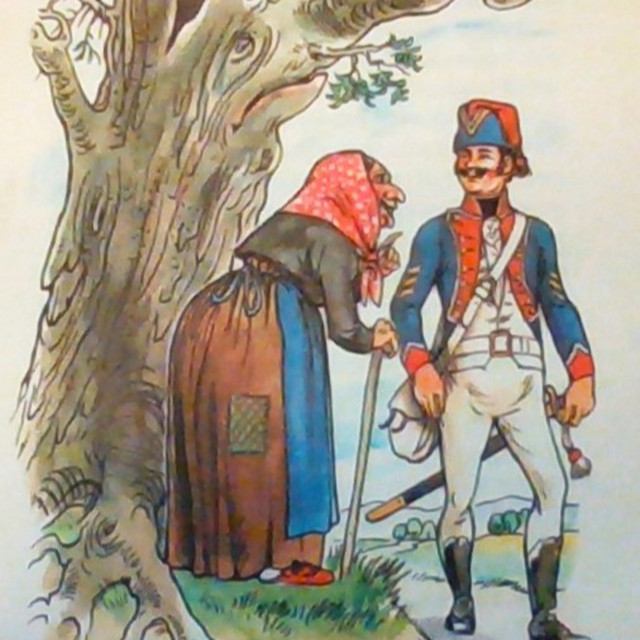
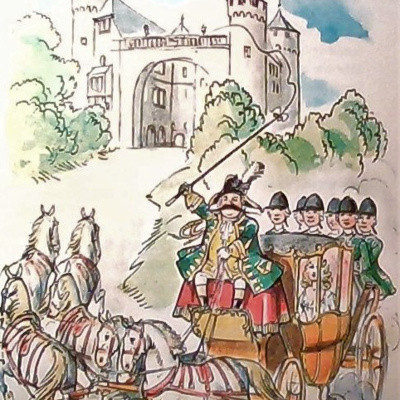
- The TinderboxHow much a soldier's demeanour has changed over the centuries may be up for debate in this story, but the desire for wealth is seldom separated from that for power as this story bears out. Strange though is that our "hero" carries the same quality of many modern movie heroes today, that of being both admirable and repulsive.
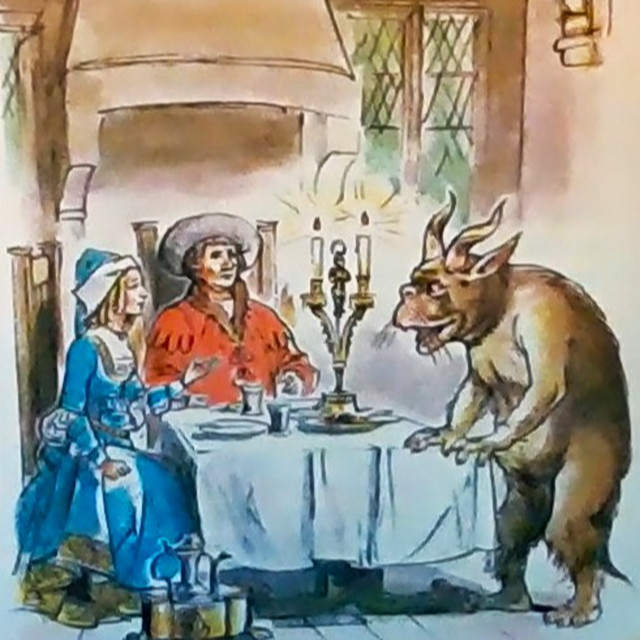
- Beauty & The BeastOriginally from France, this tale speaks to the heart of what has come to be a common bit of advice - "Don't judge a book by it's cover." But it may also speak to the history and culture of how nobility always got whatever they wanted, even if it was outside their realm of influence and propriety. Perhaps the beast is the selfish greed within all of us that needs to be shed to attain true love.
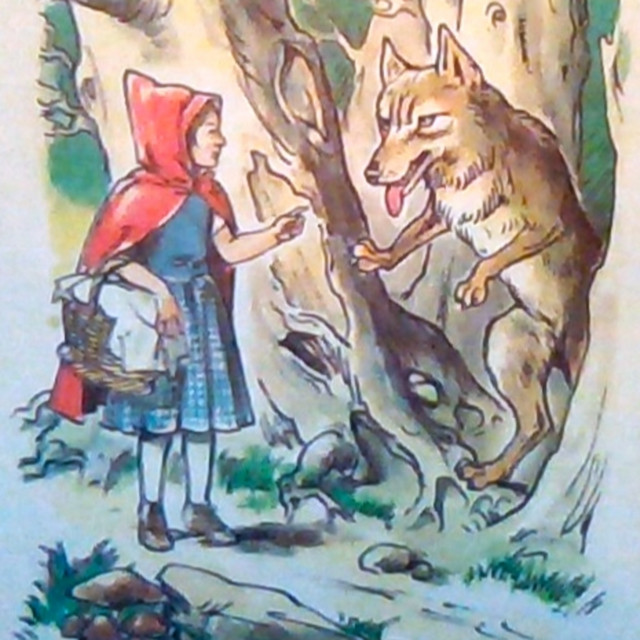
- Red Riding HoodThis Grimm Brothers' story has been appropriated in so many ways but remains a cautionary tale about who to trust, and to always be skeptical. A story about the confidence game that is played to this very day.
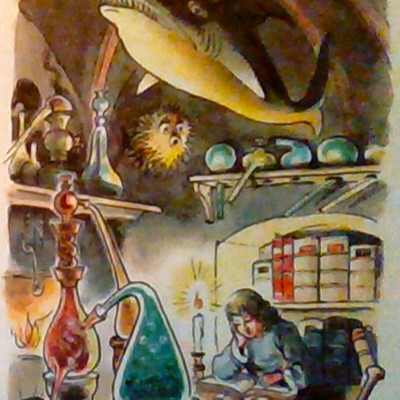
- The Sorcerer's ApprenticeAre we born with the character of becoming someone who is good to humanity or someone who wreaks trouble and strife for others? This story seems to illustrate that age makes little difference in the choice to use our knowledge for good or bad. The lesson then must be that we should choose wisely to what end our acquired knowledge and skills should be used.
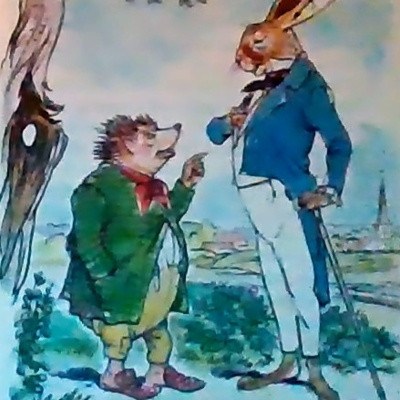
- The Hedgehog & the RabbitAn original Grimm Brothers tale that has since morphed the hedgehog into a tortoise, this story asks the reader if lying or at the least cheating to succeed is the lesser sin of being overly proud of oneself.
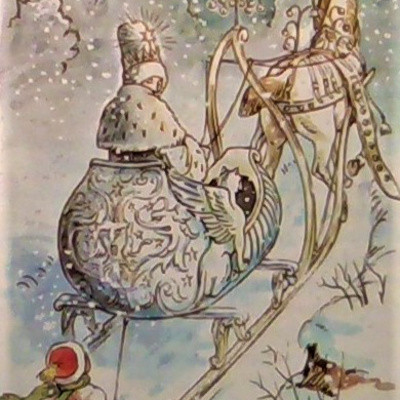
- The Snow QueenThis story must have been close to Hans Christian Andersen's heart as it tells a story about unconditional love set in the wonderous regions of Scandinavia. Adventure and challenges invite the listener to stay true and always choose a love that is selfless.
- Why the Sea is SaltOn the surface, this is an origin-myth, a "reductio ad absurdum". Thought to originate in ancient Greece, then in Norse oral storytelling traditions, and then later the Grimm Brothers who called the tale "Sweet Porridge", this may be another early interaction between dark forces and human greed which we all know, although they attract each other for the same means, never mix well in the end.
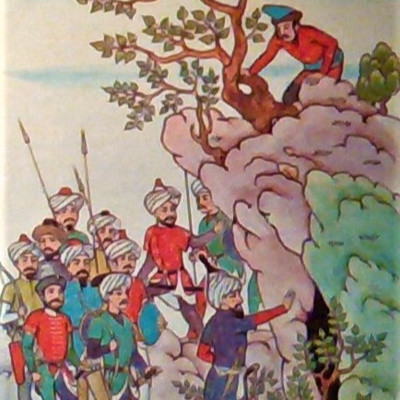
- Ali Baba & the 40 ThievesWhat begins as a tale of greed becomes a story of redemption of sorts. Recall that this took place at a time when slavery was commonplace and the ideals of Arabian culture were not so far from those of the Wild West.
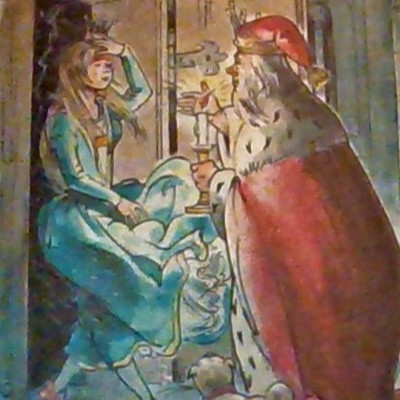
- The Princess and the PeaWhat this story tells its listeners is that to be compassionate and sensitive to others, we must be compassionate and sensitive to ourselves. The true princess was not afraid to sense and express the discomfort of her surroundings. This is the catalyst for the positive change we must make within to become the person we want to be for others.
- CinderellaThis story is so commonplace across so many countries. Originating in ancient Egypt and whose most popular version is the French translation presented here, its analogy is ingrained in popular culture. Everyone has a "cinderella" story where a long-hidden beauty or talent is finally recognized and given the attention it duly deserves. Is this a story about fate or patience? You decide.
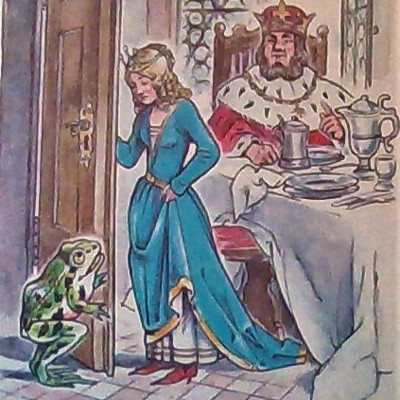
- The Frog PrinceThe age-old adage "Don't judge a book by its cover" is the lesson to heed from this story. It also reveals how very sheltered the richest people are from the virtues of true and unconditional friendship.
- Chicken LittleThis old English Folk Tale is a cautionary story, one whose ending warns its readers against panicking too soon, following along with the crowd, and ignoring the character of those who would want to be your leader; an allegory of the politics of humanity throughout our brief history on this planet.
- Snow White and Rose RedThis tale teaches that we should always be kind and helpful, even to those who do not appreciate it. Kindness is like a positive karma that will bring with the act the rewards that we deserve.
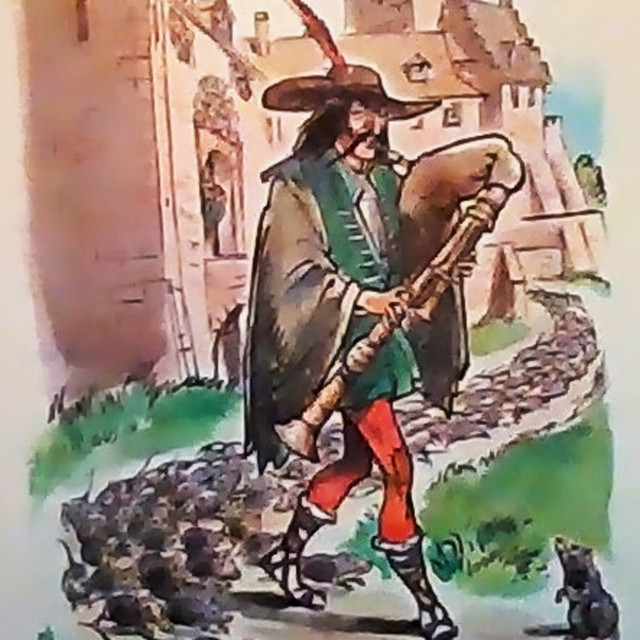
- The Pied Piper of HamelinThere may be some truth to this tale. A plaque on the stone entrance of the so-called Pied Piper house in Hamelin, Germany dating to 1602 – similar to an earlier one etched on the building’s window – describes the mystery. The inscription reads: “A.D. 1284 – on the 26th of June – the day of St John and St Paul – 130 children – born in Hamelin – were led out of the town by a piper wearing multicoloured clothes. After passing the Calvary near the Koppenberg they disappeared forever.” (from https:/